Finley Bennett · 25 September 2026
Ridge Youth Group Unveils Digital Archive Project for Bloomridge Oral Histories
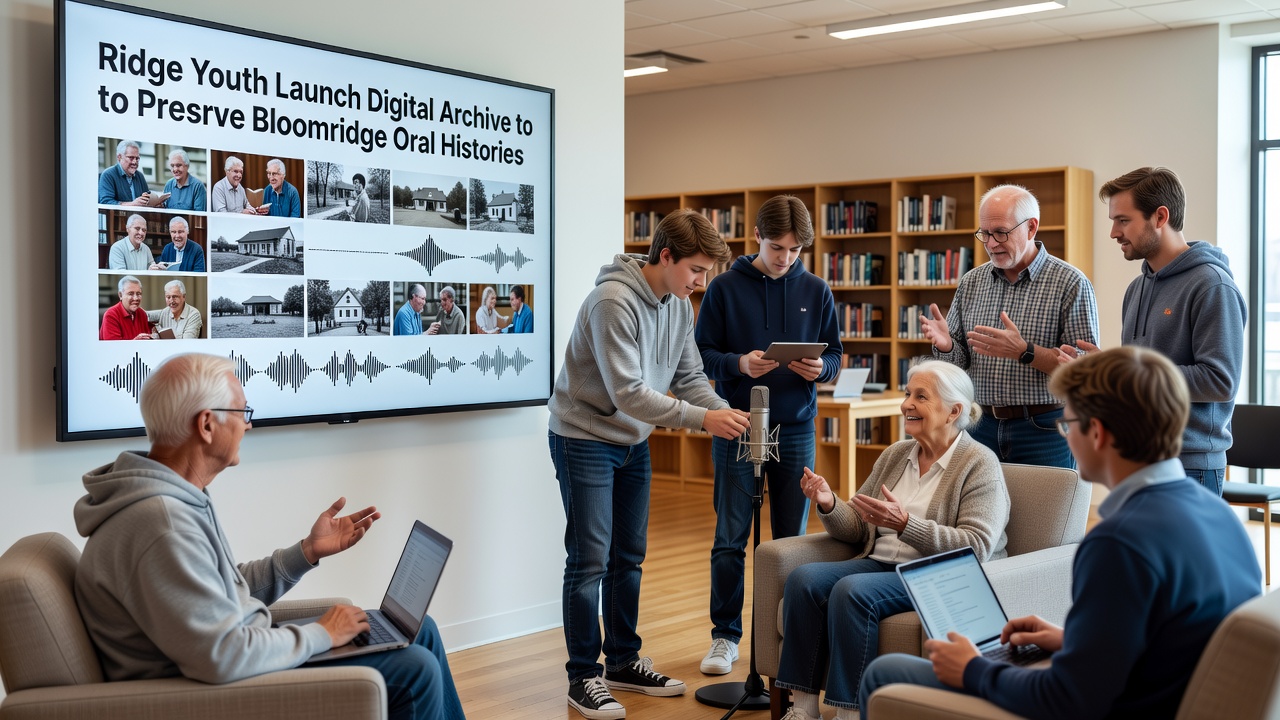
Young residents in the Ridge area have started a digital archive project aimed at preserving oral histories from Bloomridge and surrounding communities, with the initiative scheduled to reach completion in September 2026. Local schools and community centers report that students ranging from ages 14 to 22 have collected interviews from long-time residents, and these recordings now form the core of an online repository designed for public access.
The project began when a group of high school seniors approached the Bloomridge historical society last year with a proposal to convert existing cassette tapes and handwritten notes into searchable digital files. Organizers gathered more than 150 interviews during the initial phase, and they focused on topics including agricultural changes, community migrations, and local traditions passed down through families. Data from the historical society indicates that the collection covers events spanning from the 1920s through the present day.
Project Structure and Technical Approach
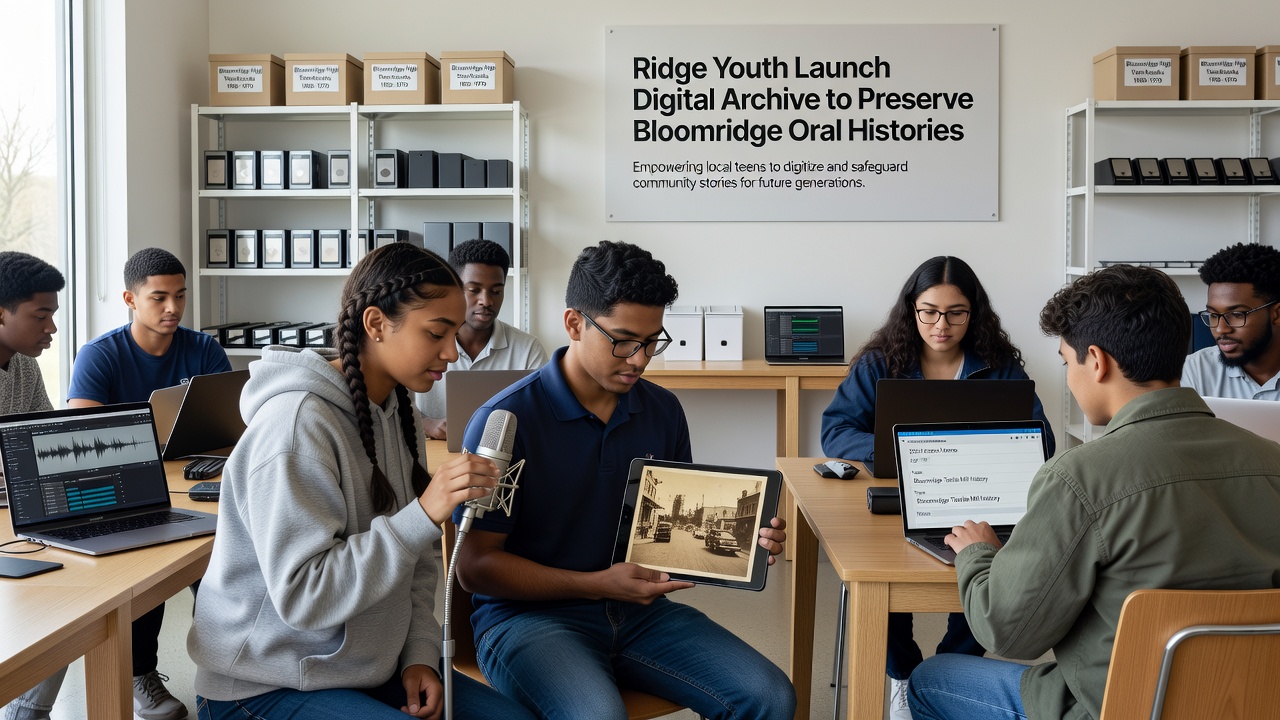
Participants use open-source software to transcribe audio files and tag entries with metadata such as dates, locations, and keywords, while volunteers verify accuracy through follow-up conversations with interviewees. The platform allows users to search by theme or decade, and it includes maps that link stories to specific Ridge valley sites. Training sessions held at the community library cover recording techniques and ethical guidelines for handling personal narratives.
One study from the Oral History Association highlights how similar youth-led efforts in other regions have increased community engagement with local records by 40 percent over five years. Bloomridge organizers adopted comparable methods after reviewing those findings, and they adjusted their workflow to accommodate seasonal farm schedules that affect volunteer availability.
Community Involvement and Partnerships
Residents who contributed stories describe the process as straightforward, with interviewers visiting homes or recording at public events like the annual harvest festival. Several families donated additional photographs and letters that now accompany the audio clips on the site. School administrators note that participation counts toward service learning credits, and local businesses provided equipment loans including microphones and tablets for field work.
Support also came from regional libraries that shared digitization standards, and one partnership with a university extension program supplied software licenses at reduced cost. Figures from the Bloomridge public library show that interest in oral history programs rose 25 percent after the first batch of digitized materials became available for preview. Organizers plan to expand the archive to include video segments once the September 2026 launch date approaches.
Preservation Goals and Future Expansion
The digital format addresses concerns about physical media degradation, since many original tapes date back decades and show signs of wear. Project leads report that they store master files on multiple servers with regular backups, and they follow protocols recommended by preservation experts. Access remains free through the Bloomridge.us.com domain, though users must register for full search features.
Additional phases will incorporate stories from newer arrivals to the area, and coordinators intend to host workshops that teach basic recording skills to younger students. Evidence from comparable archives in other parts of North America suggests sustained volunteer involvement depends on regular updates and public events. Bloomridge organizers schedule quarterly review meetings to track progress toward the 2026 target.
Conclusion
The Ridge youth digital archive project continues to collect materials while building technical capacity among participants. By September 2026 the platform expects to host a searchable collection drawn from hundreds of interviews, and it will provide a resource for researchers and residents interested in Bloomridge history. Updates appear on community bulletin boards and the project website as milestones are reached.