Finley Bennett · 6 November 2026
Bloomridge's Library Challenge Sparks Unexpected Ties Between Local Artists and Green Space Advocates
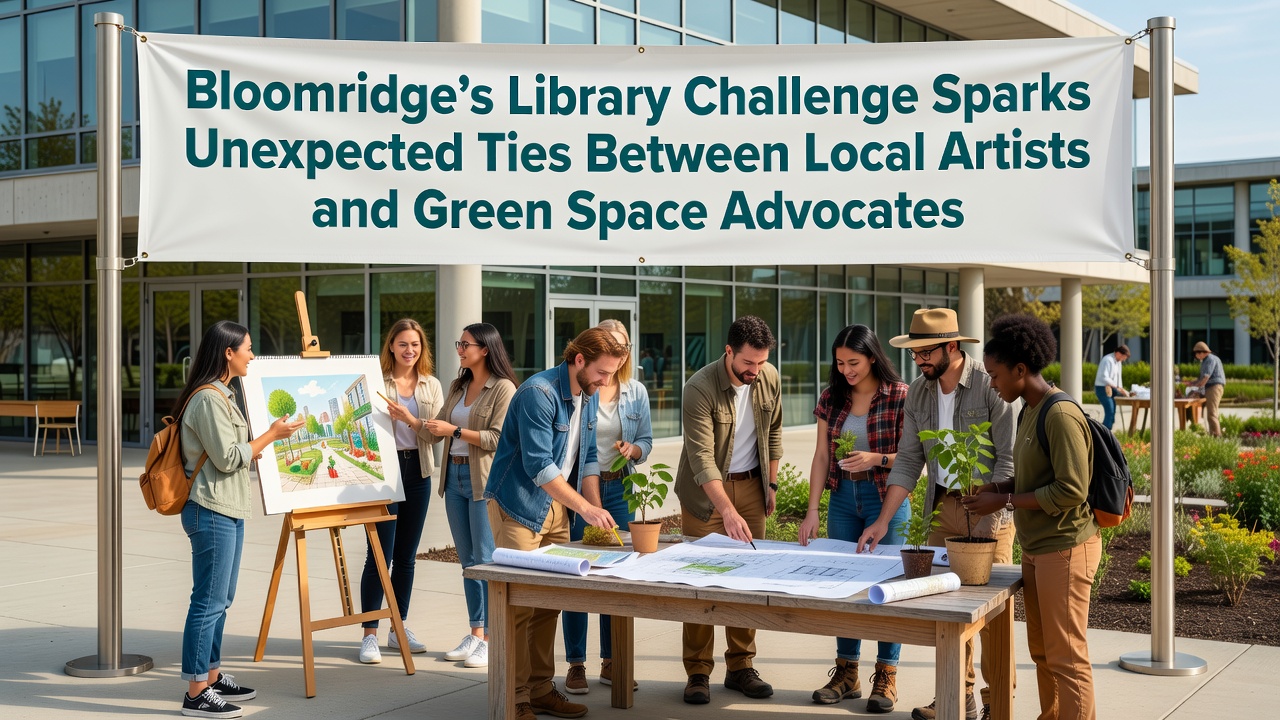
Bloomridge residents launched a library challenge in November 2026 that drew participants from across the community and produced connections between two groups that rarely overlapped before; local artists joined forces with green space advocates to develop joint projects focused on public installations and habitat restoration efforts throughout the area.
Origins of the Library Challenge
Organizers at the Bloomridge Public Library introduced the challenge as a month-long program encouraging submissions of creative works inspired by local environments, and the call attracted entries ranging from paintings and sculptures to interactive maps that highlighted underused parks and trails. Data from the library shows over 250 residents registered while participation rates exceeded previous seasonal programs by 40 percent according to internal records.
Green space advocates contributed technical details on native plant species and soil conditions that informed several artistic designs, whereas artists offered visual interpretations that helped advocates communicate their conservation messages to broader audiences. Those who've studied community programs note similar patterns in other regions where cross-group collaborations emerged from shared public resources.
How Collaborations Emerged
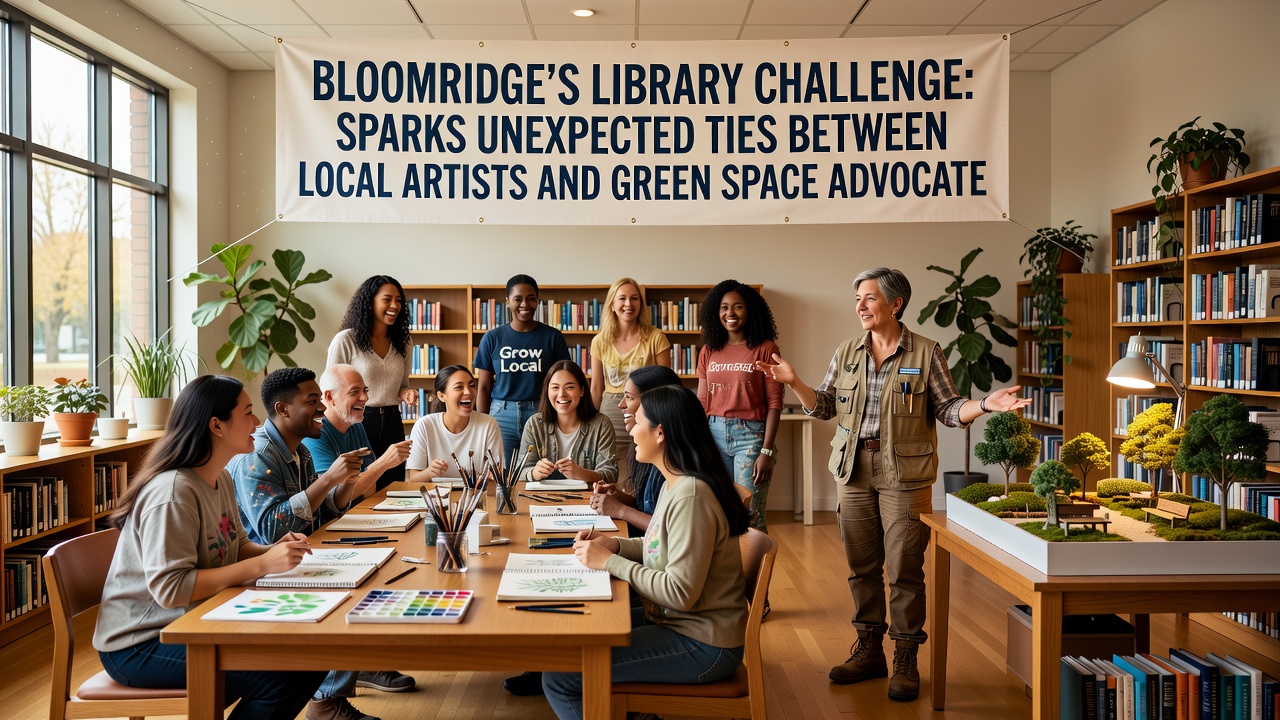
Weekly workshops at the library provided structured time for participants to exchange ideas, and one session in mid-November featured presentations on both ecological data and artistic techniques that led directly to paired projects. Artists paired with advocates to create site-specific pieces such as mosaic benches installed along walking paths and illustrated signage explaining pollinator habitats.
Research indicates these types of library-led initiatives can increase civic engagement when they combine creative and environmental themes, and figures from a comparable Canadian parks report support the observation that joint efforts often extend beyond the initial event. One researcher who tracked similar activities in Ontario documented lasting partnerships between visual artists and conservation volunteers that continued for multiple seasons.
Projects That Resulted from the Ties
By the end of November several installations stood ready for public viewing, including a series of murals depicting seasonal changes in Bloomridge's green corridors and a collection of recycled-material sculptures placed in community gardens. Green space groups supplied materials and site permissions while artists handled design and fabrication, creating a division of labor that leveraged each side's strengths.
Additional outcomes included a shared digital archive where participants uploaded photos and planning documents, and this resource now serves as reference material for future proposals. Observers note that the archive has already attracted interest from neighboring towns seeking templates for their own cross-sector programs.
Broader Community Effects
Local businesses reported increased foot traffic near the new installations, and schools incorporated some of the projects into field trip curricula that combined art classes with science units. The library extended operating hours during the final week to accommodate ongoing group meetings, and attendance logs confirm steady use through early December.
According to records maintained by the Bloomridge Parks Department, three additional green spaces received maintenance upgrades as a direct result of the visibility generated by the challenge. Advocates credit the artistic components with drawing media coverage that highlighted funding needs, while artists gained access to outdoor venues they had not previously considered.
Looking Ahead
Planning for a follow-up series begins in early 2027, and organizers have already received expressions of interest from both returning participants and new groups. The library plans to expand the challenge format to include music and performance elements that further integrate with green space themes.
Conclusion
The November 2026 library challenge demonstrated how a single community program can generate sustained links between previously separate networks, and the resulting projects continue to shape both artistic output and environmental stewardship in Bloomridge. Those involved continue to meet informally, sharing updates on maintenance and new ideas that build on the original collaborations.